10 Jul 2026
The Mechanics Behind Payment Channels and Reward Activation in British Football and Racing
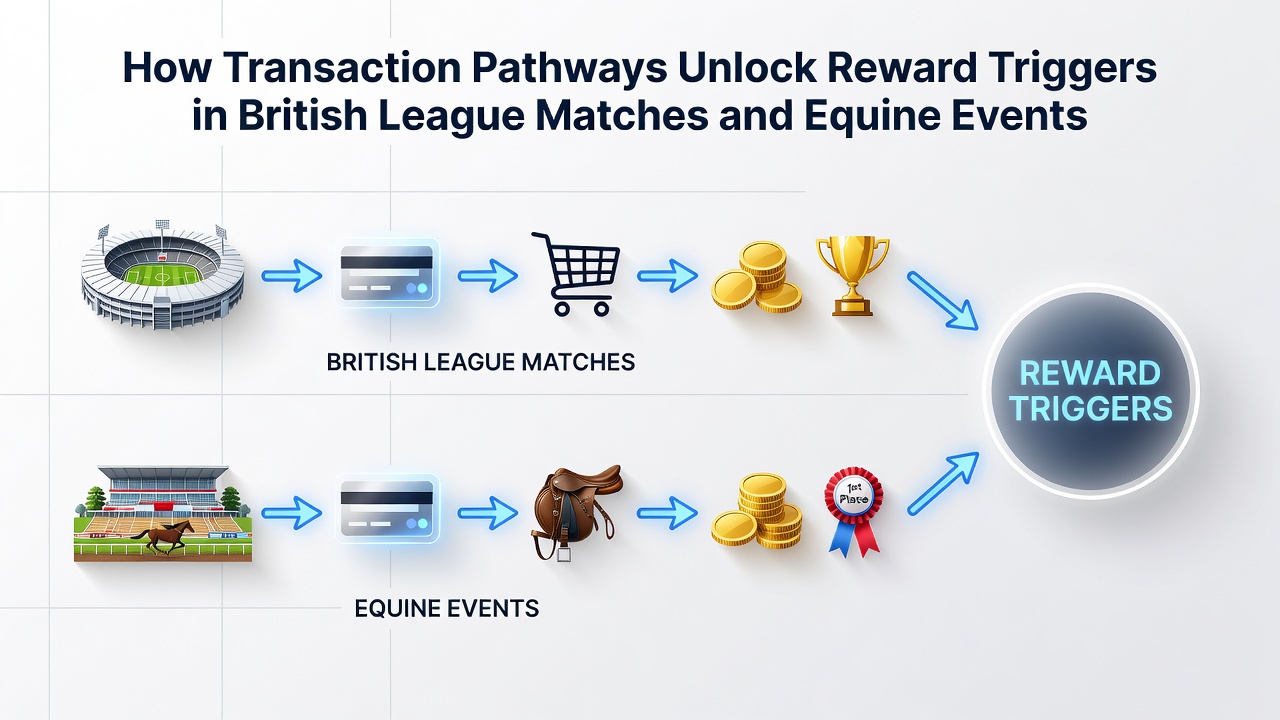
Payment systems in British betting platforms operate through defined channels that connect deposits directly to reward mechanisms during Premier League fixtures and thoroughbred racing meets, and observers note these pathways rely on real-time processing protocols that verify funds before unlocking promotional credits or free bet allocations.
Financial institutions and digital wallet providers integrate with operator servers using API handshakes that flag qualifying transactions, so when users select instant methods such as certain e-wallets or bank transfers during match days or race days the system routes the payment through verification layers that trigger bonus releases automatically once thresholds are met.
Payment Route Structures in Live Football Environments
League matches generate high volumes of in-play wagers, and transaction pathways adapt by prioritizing speed through segregated processing queues that separate standard deposits from those earmarked for reward eligibility, while data from industry reports indicates that card-based routes often require additional authentication steps compared with direct bank integrations that complete in seconds.
Operators maintain separate ledgers for promotional funds, which activate only after the initial deposit clears predefined filters such as minimum amount and payment type, and this separation ensures compliance with financial tracking requirements set by regulatory frameworks outside direct gambling oversight bodies.
Equine Event Transaction Dynamics
Thoroughbred racing circuits including major summer festivals process bets through pathways optimized for multi-leg wagers like tricasts and forecasts, where cumulative stakes from verified deposits unlock layered rewards such as enhanced odds or cashback percentages that apply retroactively to the same account session.
Equine events often see clustered activity around post times, and payment channels respond by employing predictive load balancing that anticipates spikes, allowing reward triggers to fire without latency even when thousands of transactions occur simultaneously across platforms.
Technical Integration Points
Backend reconciliation engines cross-reference each incoming transaction against reward rule sets stored in operator databases, and these engines apply conditional logic that distinguishes between promotional eligibility and standard play, while studies from research institutions such as those affiliated with European gaming associations demonstrate that encrypted token exchanges reduce processing errors that previously delayed bonus credits.
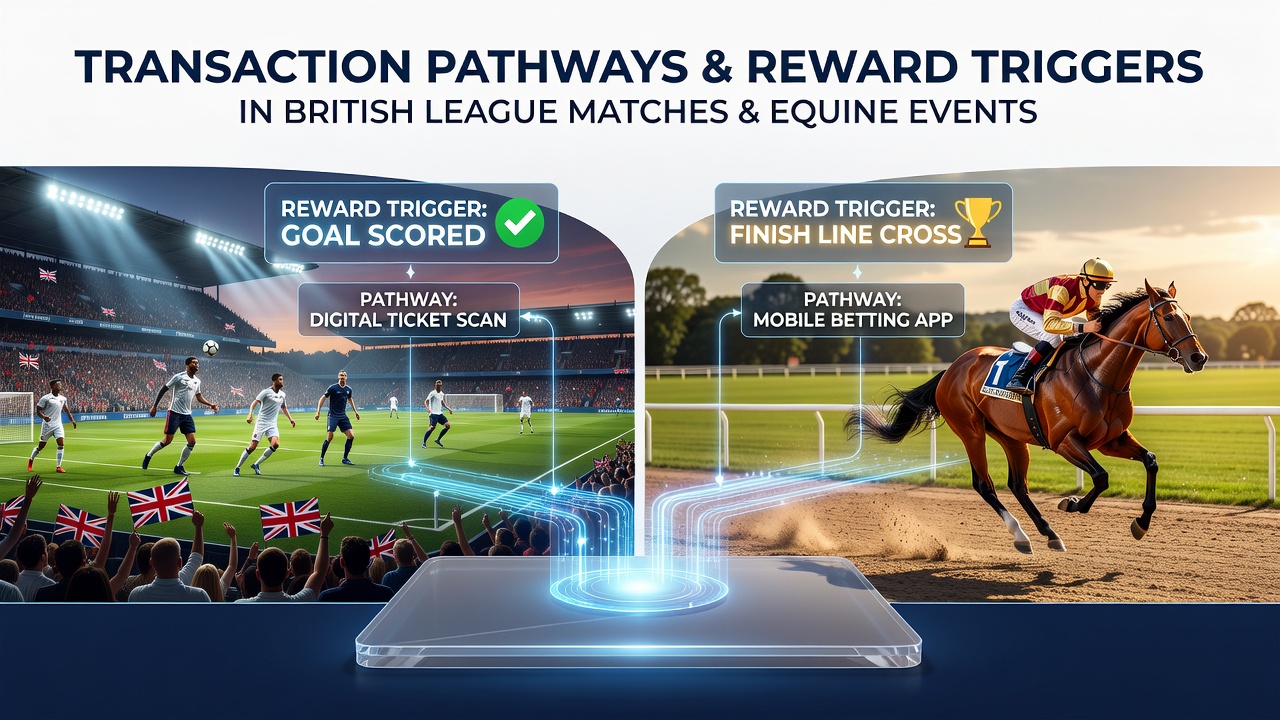
July 2026 brought incremental updates to these integration standards across several major platforms, with emphasis on compatibility for emerging digital currencies that still route through traditional verification pathways to maintain reward consistency.
Verification and Compliance Layers
Each transaction pathway incorporates identity checks and source-of-funds validations before reward triggers engage, and these steps occur in parallel with payment authorization so users experience seamless progression from deposit confirmation to bonus availability within the same interface cycle.
Industry organizations tracking transaction volumes report that pathways utilizing biometric confirmations at the device level further streamline the process, reducing drop-off rates between deposit and reward activation during peak periods of both football and racing calendars.
Comparative Pathway Performance
Football league environments favor pathways that support rapid micro-deposits for live adjustments, whereas equine events benefit from channels handling larger aggregated stakes that accumulate toward tiered reward structures, and analysts at various academic centers have mapped these differences through anonymized flow data that highlights distinct optimization needs for each sport type.
What's interesting is how certain hybrid routes now blend card and wallet elements to capture eligibility across both contexts, allowing a single session to trigger multiple reward categories without requiring separate funding actions.
Conclusion
Transaction pathways continue to evolve as the connective tissue between funding actions and reward delivery in British league matches and equine events, with technical refinements focused on speed, verification accuracy, and rule-based automation that maintain operational integrity across varying event intensities.
Those who examine these systems note that ongoing adjustments in July 2026 and beyond center on expanding compatible methods while preserving the conditional logic that governs bonus releases, ensuring pathways remain reliable conduits for both routine play and promotional engagement.