31 May 2026
Seasonal Event Timing Influences Bonus Allocation in British Football Leagues and Horse Racing
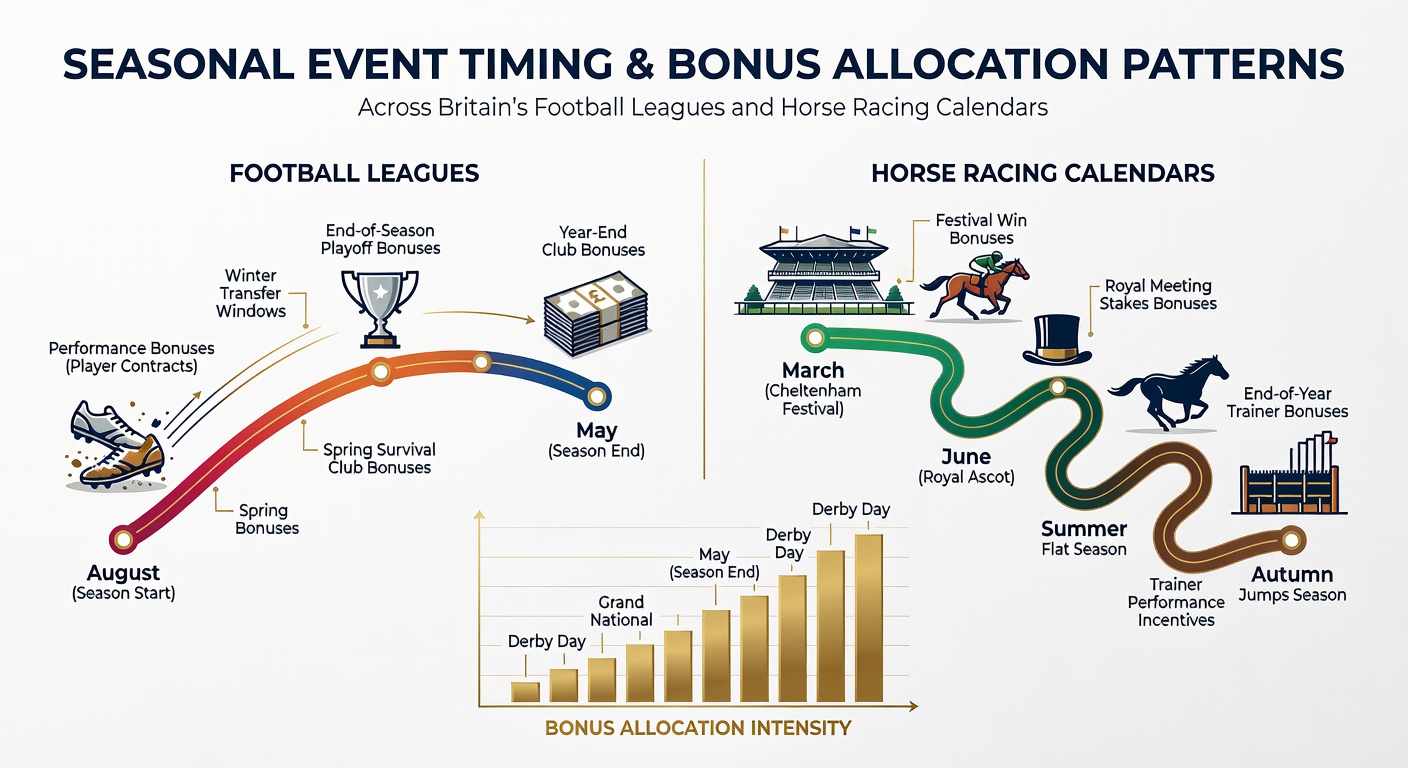
Football leagues across Britain operate on a fixed calendar that runs from August through May, while horse racing follows its own rhythm with jumps season dominating winter months and flat racing taking over in summer, and these distinct timelines create measurable shifts in how bookmakers distribute bonuses and promotions. Data from industry reports shows operators adjust offer structures around fixture clusters, with larger accumulator boosts and free bet credits appearing during high-attendance periods such as the Premier League winter schedule and major festival meetings at Cheltenham and Aintree.
Researchers tracking bonus patterns note that allocation volumes rise sharply when multiple high-profile events overlap, because operators concentrate marketing spend where customer engagement peaks naturally. For instance, the March Cheltenham Festival draws heavy promotional activity, whereas quieter mid-season weeks in football see fewer enhanced odds and smaller stake-back offers. This alignment stems from predictable attendance and betting volume data rather than random decisions.
Football Season Peaks Drive Accumulator and Multiplier Patterns
Premier League and Championship schedules place intense fixture lists between December and April, and operators respond by releasing targeted bonuses that reward accumulators built around those weekends. Figures reveal increased use of wager multipliers during Boxing Day and New Year rounds, while May brings end-of-season title deciders and relegation battles that trigger final push promotions before the summer break. Observers tracking these cycles point out that the timing allows platforms to refresh bonus pools just as television audiences swell and casual participants return.
Studies of allocation data indicate football bonuses often feature deposit matches tied to specific matchweeks, with terms that encourage repeated stakes on live games rather than pre-season friendlies. When the transfer window opens in January, some sites layer additional cashback offers onto existing accumulator deals, creating layered incentives that follow the league calendar directly.
Horse Racing Calendars Shape Festival and Meet-Specific Offers
Horse racing's jumps calendar concentrates major events between November and April, leading platforms to front-load free bet credits and each-way enhancements around the Cheltenham Festival and Grand National meeting. Flat season bonuses emerge later, with Royal Ascot and Glorious Goodwood serving as anchors for summer promotions that include enhanced place terms and refund mechanics. Industry data shows these festival windows account for disproportionate shares of annual bonus volume because they combine national attention with extended multi-day programmes.
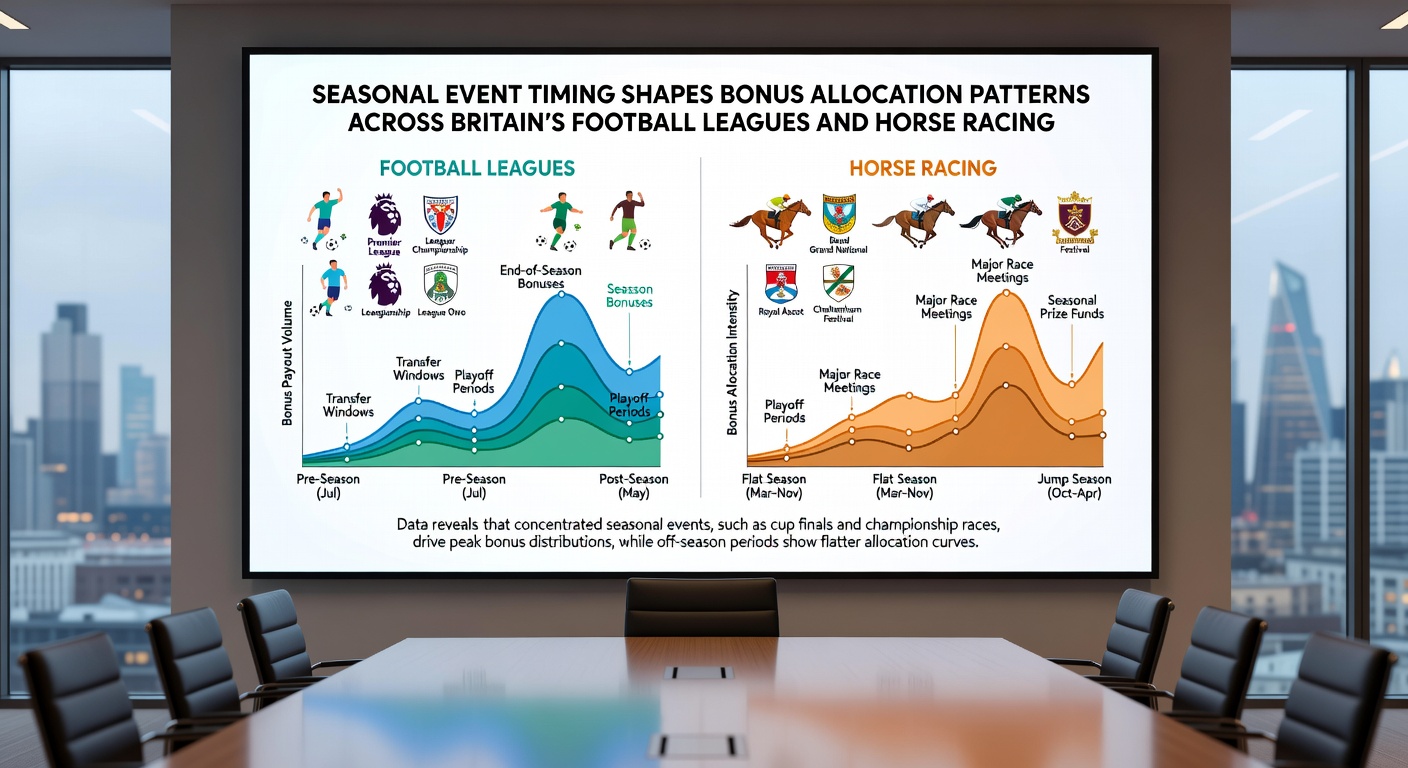
Operators adjust bonus expiry dates to match racing calendars, ensuring credits remain active through entire festival periods rather than expiring mid-week. Research from the Canadian Centre on Substance Use and Addiction highlights similar seasonal clustering in other markets, where event timing dictates promotional intensity across different sports. British platforms apply the same logic, releasing race-specific boosts that activate only during listed meetings and then taper off until the next major fixture cluster.
Overlaps Between Football and Racing Create Layered Bonus Windows
May 2026 marks the close of the 2025/26 football season alongside the start of the flat racing calendar, and historical patterns suggest operators will run concurrent promotions that bridge both sports during this transition month. Accumulator boosts tied to final Premier League rounds often appear alongside early-season each-way offers for Newmarket and Epsom, creating brief windows where customers encounter mixed-sport incentives. Data indicates these crossover periods produce higher redemption rates because participants already active in one sport receive prompts to engage with the other.
European Gaming and Betting Association reports document comparable timing effects across multiple jurisdictions, where calendar alignment determines when platforms shift spend from one sport to another. In Britain the effect appears in the way deposit bonuses carry dual-sport eligibility clauses during May, allowing stakes on either remaining football matches or opening flat meetings without separate qualification steps.
Data Patterns Confirm Calendar-Driven Allocation
Longitudinal analysis of bonus announcements demonstrates clear correlation between event density and offer volume, with spikes recorded during December football congestion and March racing festivals. Platforms release fewer generic bonuses during August pre-season weeks and September quiet periods, instead saving budget for months when fixture lists and race programmes generate natural traffic. Those patterns hold across multiple seasons according to aggregated platform records shared through trade publications.
Allocation strategies also reflect regulatory reporting cycles, with operators timing larger promotions to coincide with peak transparency windows rather than low-activity months. The result is a predictable rhythm where bonus calendars mirror sporting calendars almost exactly, producing measurable differences in average stake sizes and redemption frequency between peak and off-peak windows.
Conclusion
Seasonal timing directly organises how bonuses reach British football and horse racing audiences, with operators aligning offers to fixture density and festival programmes rather than spreading activity evenly. Data from multiple sources confirms that May transitions, winter football congestion, and spring racing clusters each trigger distinct allocation patterns that repeat across seasons. These structured rhythms allow platforms to match promotional spend with periods of highest engagement while maintaining consistent compliance reporting across the calendar year.